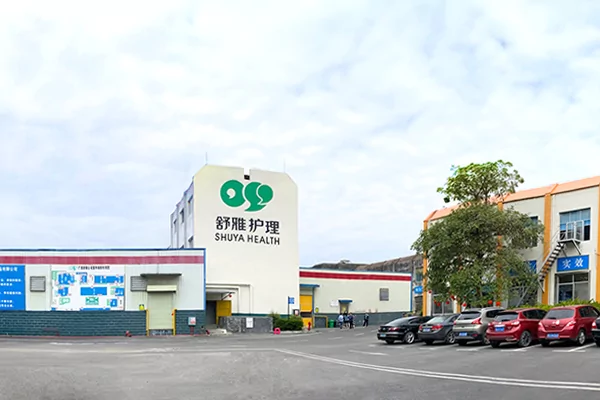
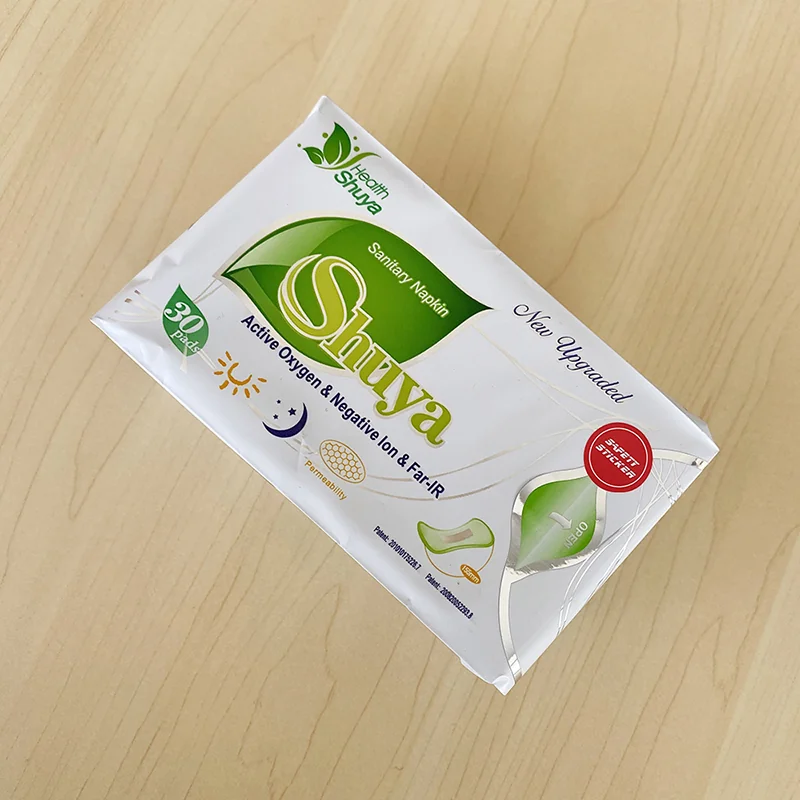
Establishing a resilient inventory pipeline requires a clear picture of how individual manufacturing nodes operate on an international scale. Many retail consumer brands realize that running storefronts or managing marketing campaigns is vastly different from controlling cleanroom environments and chemical material supplies. At Shuya, we look at the entire fulfillment infrastructure to identify where delays occur and how structural efficiencies protect unit margins. For an expanding enterprise, partnering with an experienced sanitary napkin manufacturer provides the technical infrastructure required to scale product lines without accumulating immense capital debt. Knowing how these specialized entities manage international logistics, raw material sourcing, and compliance benchmarks allows consumer brands to mitigate volatile market shifts.
Raw Material Sourcing and Technical Component Assembly
Every high-performance personal care item relies on a complex network of global raw material vendors providing fluff pulp, superabsorbent polymers, and breathable backsheets. A dedicated sanitary napkin company manages these massive supplier contracts directly, ensuring a steady stream of inputs even during global shipping crunches. This direct control over incoming goods prevents manufacturing slowdowns and maintains uniform product thickness, absorbency rates, and adhesive reliability across millions of finished items. By centralizing the procurement of specialized non-woven fabrics and leakage barriers, these entities insulate private label brands from sudden material inflation and unannounced vendor shortages.
Regulatory Compliance and Quality Control Benchmarks
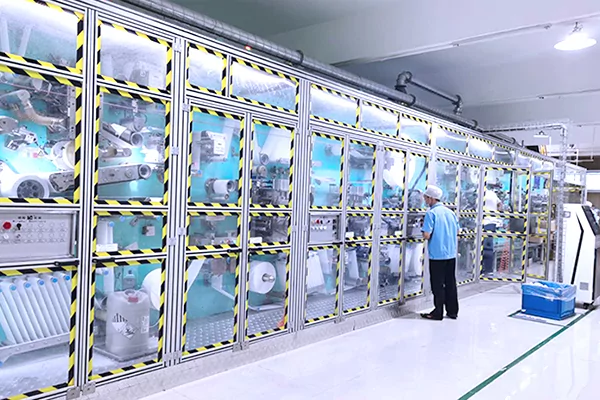
International trade demands strict adherence to regional health and safety certifications before any personal hygiene item can clear customs borders. A professional sanitary napkin manufacturer maintains clean production lines equipped with optical inspection sensors, metal detectors, and microbial testing laboratories to satisfy global standards. This rigorous oversight ensures that every container shipped meets specific consumer protection laws in target markets, reducing the risk of costly inventory rejections or product recalls. Outsourcing production to a facility with established international credentials allows distributors to enter new geographic territories swiftly without managing complex lab testing procedures independently.
Scalability and Custom Manufacturing Flexibility
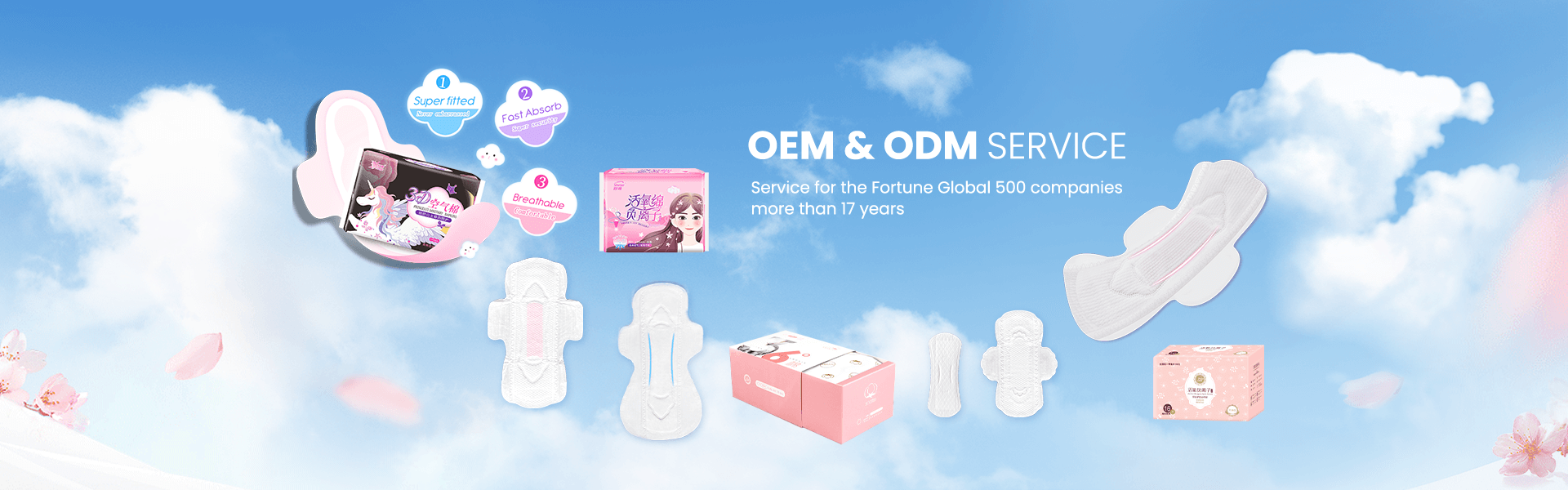
Modern consumer demands change quickly, forcing brands to update packaging dimensions, introduce organic cotton alternatives, or alter box counts on short notice. An agile sanitary napkin company adapts to these shifts by utilizing modular automated machinery that allows for quick changeovers without extended periods of operational downtime. This manufacturing agility gives distribution brands the leverage to launch seasonal variations or adjust order volumes based on real-time market data rather than rigid annual forecasts. Having access to high-volume output capacities ensures that unexpected spikes in consumer demand will not result in empty retail shelves.
Optimizing the Final Logistics and Private Label Framework
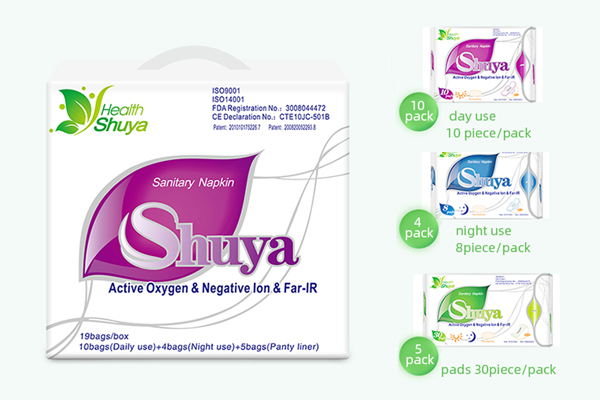
Securing a stable position in consumer markets requires an uninterrupted flow of retail-ready goods from the factory floor to regional distribution centers. We recognize that the operational link between raw material handling and final freight coordination dictates the ultimate profitability of your brand. When a distributor builds an alliance with a fully integrated production facility, the entire process from custom core design to container loading becomes a single streamlined operation. This structural integration eliminates communication gaps, protects product freshness during sea transit, and gives global brands a predictable foundation for multi-year commercial expansion.