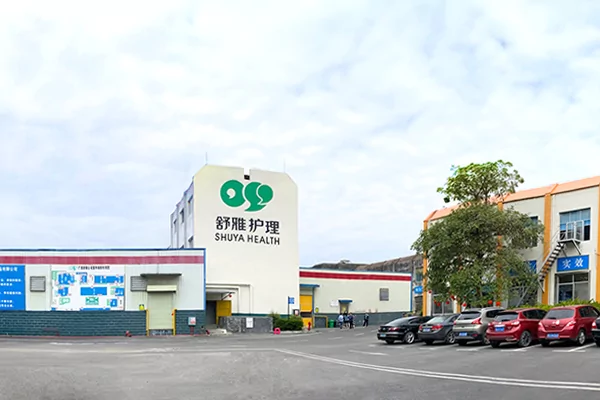
Building a sustainable presence in the personal care sector requires an analytical view of how raw materials convert into consumer-ready goods. Many growing brands focus entirely on consumer acquisition, overlooking the deep industrial dependencies that determine product margins, absorption reliability, and global regulatory readiness. At Shuya, we look at the manufacturing landscape from an engineering and logistics standpoint, recognizing that consistent product density and leak-barrier integrity form the basis of brand equity. For any business ready to scale its portfolio, alignment with a specialized sanitary napkin manufacturer offers a scalable path toward secure supply lines and uniform product quality. Examining the core mechanics of raw material handling, mechanical assembly lines, and high-speed customization helps procurement teams mitigate long-term supply chain vulnerabilities.
Advanced Material Composition and Core Functionality
The foundational component of any modern hygiene pad is the absorbent core, which relies on a precise ratio of superabsorbent polymers and fluff pulp. A high-output sanitary napkin company manages these sophisticated material inputs under strict temperature and humidity controls to prevent premature moisture absorption during the assembly process. This multi-layered structure must pull moisture rapidly away from the top sheet while maintaining a soft, breathable surface profile that ensures comfort. By optimizing the distribution of adhesive agents and structural layers, production facilities prevent clumping and leaking, directly reinforcing consumer confidence in your brand.
High-Speed Automation and Quality Auditing Systems
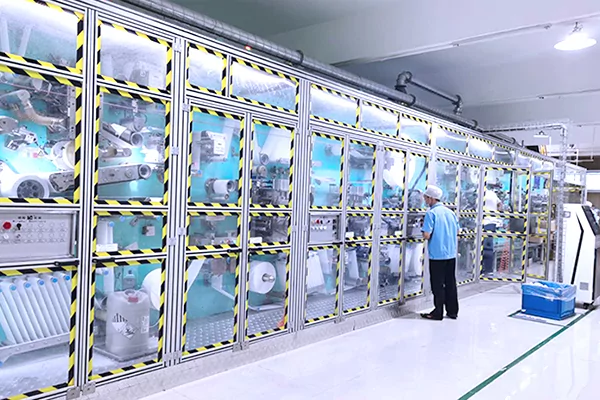
Modern production floors utilize fully automated, continuous-motion machinery that produces hundreds of units per minute with zero manual intervention. Partnering with an established sanitary napkin manufacturer ensures that your products benefit from integrated vision inspection cameras that detect microscopic defects or uneven adhesive placement in real time. These automated quality gates pull flawed items off the line instantly, maintaining absolute consistency across high-volume production runs. This mechanical precision reduces material waste, accelerates fulfillment timelines, and ensures that large retail orders match the exact technical specifications outlined in your initial product contract.
Customization Capabilities for Private Label Scaling
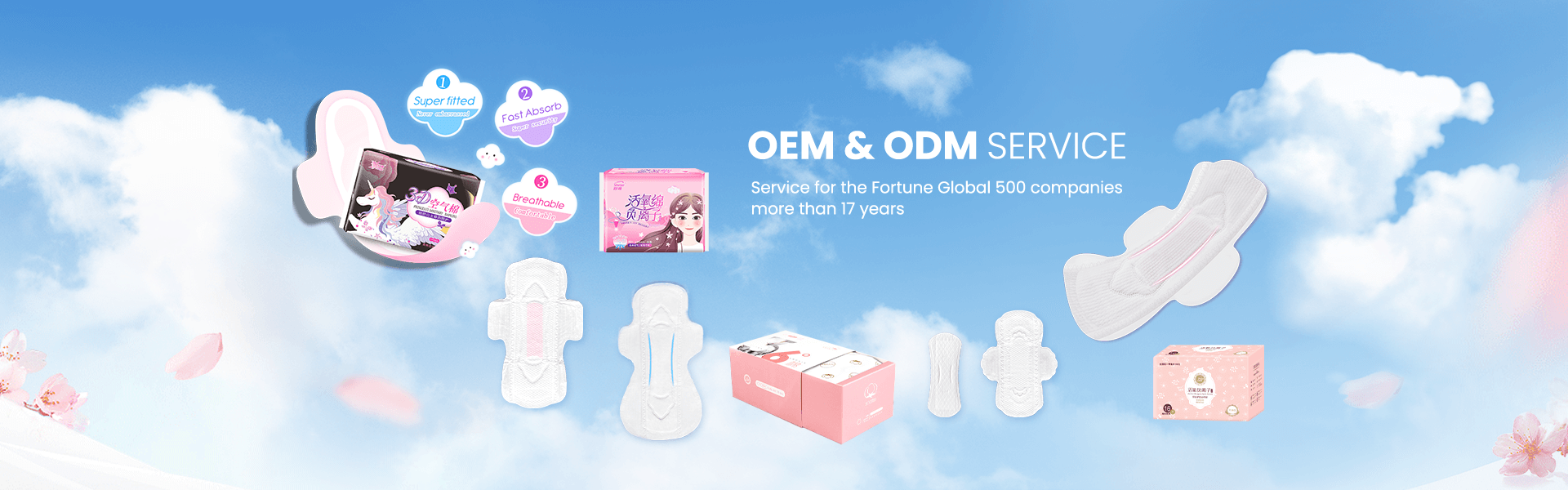
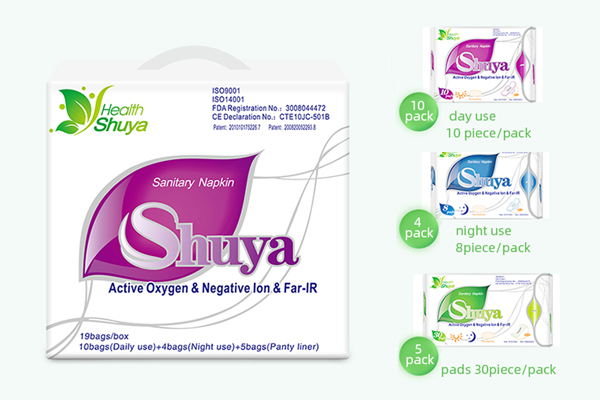
Consumer preferences vary significantly between international geographic regions, requiring flexible adjustments to pad lengths, wings, and outer packaging styles. An adaptable sanitary napkin company features modular line configurations that allow brands to switch between day, night, and ultra-thin variants without causing extended machinery downtime. This industrial flexibility empowers commercial brands to react to emerging wellness trends, such as organic cotton layers or biodegradable backsheets, without needing to invest millions in proprietary manufacturing infrastructure. Access to these versatile tooling setups gives private label brands a distinct operational edge in competitive retail landscapes.
Securing Supply Continuity in a Competitive Consumer Market
Long-term commercial survival in the personal care space hinges on the reliability and predictability of your primary production partner. We understand that shipping delays, fluctuating material costs, and unverified safety standards can quickly dismantle years of brand building and customer loyalty. When a distribution enterprise establishes a direct relationship with the actual production facility rather than relying on unverified trading intermediaries, the entire supply chain becomes more transparent and less susceptible to external market shocks. This direct operational linkage provides a stable foundation for steady retail growth, predictable financial planning, and continuous product improvement.