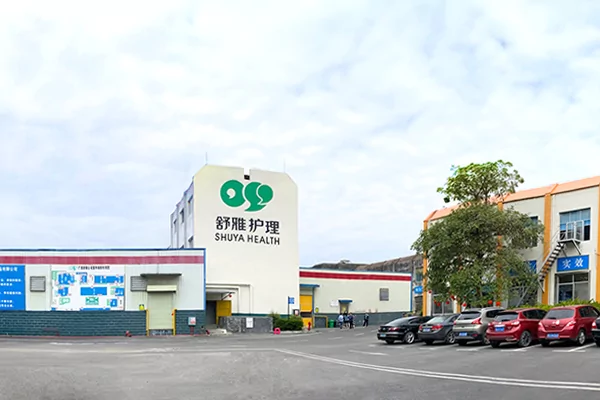
The efficiency of your supply chain and product quality are both influenced by the production partner you choose. For expanding brands, analyzing how different facility scales affect market delivery is essential. When assisting businesses in selecting the right manufacturing setup, we evaluate operating capacities, machine automation, and available customization levels—whether partnering with a sanitary napkin company or a sanitary towels factory.
Scale Impacts Production Capacity and Lead Times
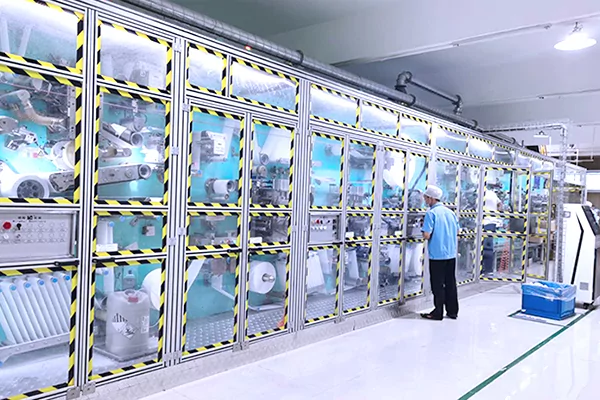
A major differentiator between manufacturing partners involves total volume capacity and delivery speed. A large sanitary napkin manufacturer operates high-speed, automated lines that produce thousands of units per minute, minimizing per-unit costs for massive orders. Smaller operations often rely on semi-automated setups, which naturally lengthen turnaround times for high-volume requests. At Shuya, we invest heavily in high-capacity machinery to ensure high-volume orders remain consistent and arrive on schedule.
Customization Capabilities and Material Sourcing
This is because the size of the manufacturing facility has a considerable impact on the material procurement networks that are available. A manufacturing facility that produces sanitary towels with a high output keeps direct ties with top raw material suppliers all over the world. This allows the factory to get innovative absorbent polymers and organic cotton layers at prices that are consistent. In order to obtain specialised components, smaller facilities usually source their supplies through secondary distributors, which restricts their access to resources. By utilising these direct supplier networks, we are able to provide a wide range of tailor-made material solutions while simultaneously adhering to stringent quality standards.
Quality Control Frameworks and Regulatory Compliance
Compliance structures are yet another important factor that contributes to the differentiation across manufacturing sizes. The implementation of multi-tier quality management systems, which make use of inline visual inspection cameras that indicate errors in real time, is common in commercial and industrial facilities. When it comes to testing, smaller setups frequently rely on manual batch testing, which increases the margin for fault. In order to ensure that each batch satisfies stringent international safety regulations, the team at Shuya incorporates automated testing techniques throughout each and every stage of the production process.
The choice between manufacturing partners depends heavily on your brand’s distribution volume and long-term scaling strategy. While smaller facilities offer low entry thresholds, larger manufacturers provide the cost efficiencies and regulatory assurance needed to compete globally. Aligning your brand with a well-equipped production infrastructure protects your supply chain and secures consistent product quality as market demand grows.