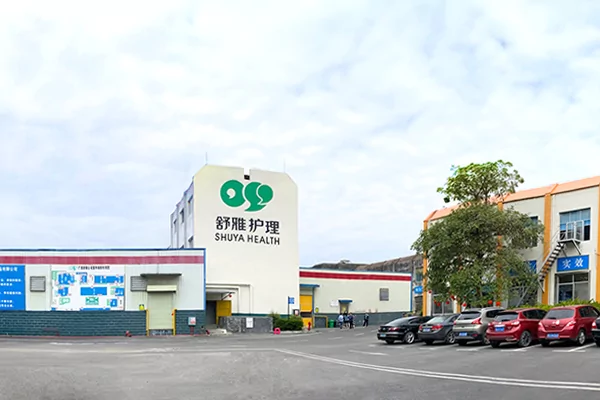
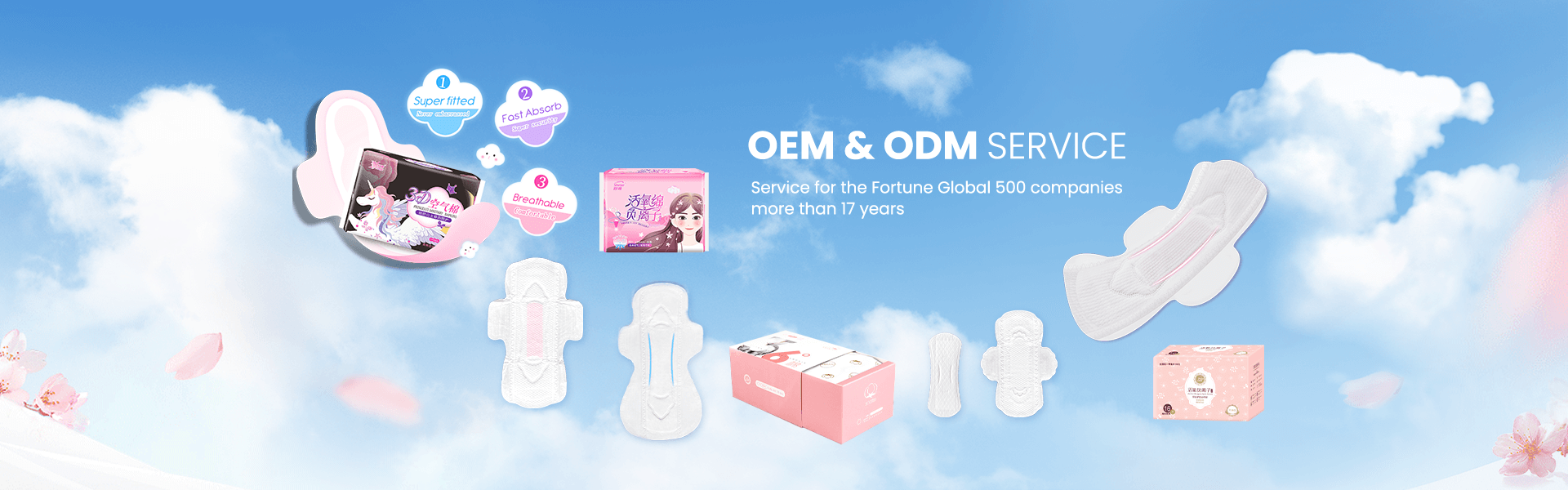
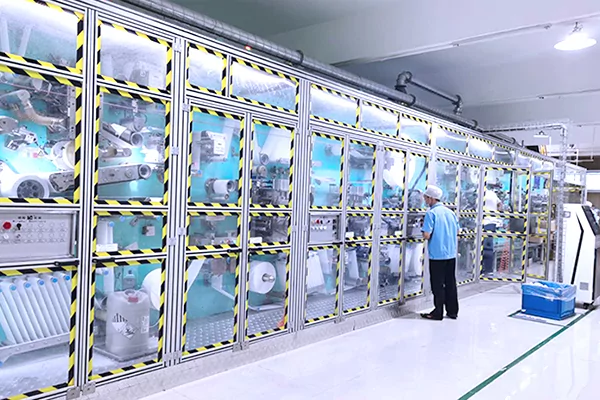
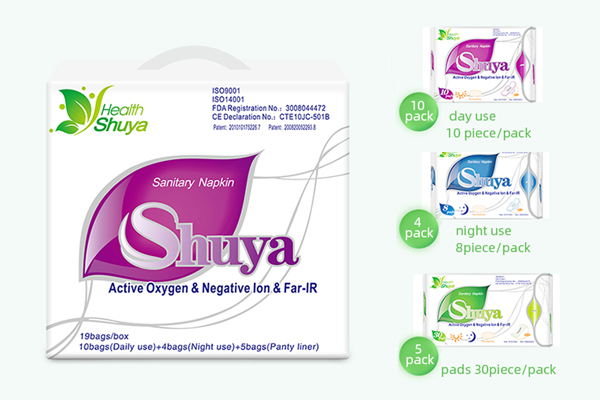
The underlying engineering behind feminine care products directly dictates how well a brand performs on retail shelves and how safely it protects consumers. When evaluating global suppliers, consumer goods companies look past superficial marketing claims and analyze the specific technical steps that keep lines running efficiently. For businesses aiming to scale their private label inventory, analyzing the baseline sanitary towel manufacturing process flow reveals how high-speed machinery converts raw fibers into multi-layered absorption systems. This complex conversion requires ultra-precise tension adjustments, clean-room environments, and reliable optical verification sensors. Working with an experienced sanitary napkin manufacturer ensures that these technical stages remain synchronized to minimize defect rates and material waste. We recognize that robust engineering at the initial layout phase protects our clients from product liability risks while guaranteeing consistent softness and fluid retention.
Core Absorption Layer Formulation and Mechanical Pressing
The primary performance metric of any personal hygiene pad lies in its core capacity to securely isolate liquids from a user’s skin. Raw fluff pulp and specialized superabsorbent polymers travel through specialized air-laid dosing units to form a uniform, dense core ribbon. During this specific layout phase, our production engineering at Shuya relies on high-pressure roller systems to compress these composite core materials down to specified millimeter tolerances. This uniform compression allows the finished pad to remain discreetly thin while significantly expanding its internal fluid capacity. Partnering with an authorized sanitary towels factory allows client brands to customize this internal core structure, offering targeted reinforcement zones for nighttime configurations or extra-thin daytime models. Proper pressure distribution prevents the interior absorbent core from shifting or breaking apart when subjected to physical movement during active daily wear.
Multi Layer Film Assembly and Precision Adhesive Application
Once the absorbent core achieves structural stability, it must be encapsulated by highly specialized barrier films to ensure comfort and eliminate leakage. The upper layer uses a hydrophilic non-woven material to rapidly pull moisture downward, while the bottom backsheet relies on breathable polyethylene film to trap fluids. An established sanitary napkin manufacturer applies medical-grade hot melt adhesives across these synthetic layers using micro-spray nozzles linked to real-time electronic flow meters. This precision application guarantees secure bonding without making the composite fabrics stiff or uncomfortable for the consumer. Mechanical die-cutting assemblies then slice the continuously moving product ribbon into individual contoured shapes with exact edge seals. These synchronized cutting components ensure clean margins around wings and channels, completely removing any abrasive edges that could cause physical irritation during use.
Optical Quality Verification and High Velocity Sealing
Maintaining flawless output at high velocities requires the absolute elimination of manual human inspection variables from the assembly line. Modern production facilities deploy advanced machine vision sensors above conveyor lines to analyze every unit for alignment errors, geometric variations, or microscopic foreign particles. Within a modern sanitary towels factory, these automated cameras flag and pneumatically reject compromised units instantly without slowing down primary machine outputs. We emphasize that utilizing these digital verification protocols protects our commercial partners from costly shelf inventory recalls and safeguards long-term consumer trust. The approved pads then advance directly into automated folding and individual wrapping systems, where rotary heat-sealing bars enclose each piece in protective film. This final sealing step bars moisture and ambient humidity from entering the product during bulk shipping operations.
A rigorous approach to industrial scale personal hygiene ensures that retail items function perfectly under varied real world conditions. Global consumer brands must thoroughly audit the mechanical capabilities of potential supply partners to confirm their adherence to international consumer safety frameworks. We focus on continuous technological updates to keep Shuya at the forefront of automated personal hygiene production. Thoroughly analyzing each distinct component of the sanitary towel manufacturing process flow allows commercial operations to secure reliable production capacity and predictable unit economics. Prioritizing automated material processing, continuous optical defect scans, and fast wrapping workflows delivers consistent quality across every production run. These technical controls guarantee that every single shipment arriving at a retail distribution hub matches the exact safety standards expected by consumers worldwide.