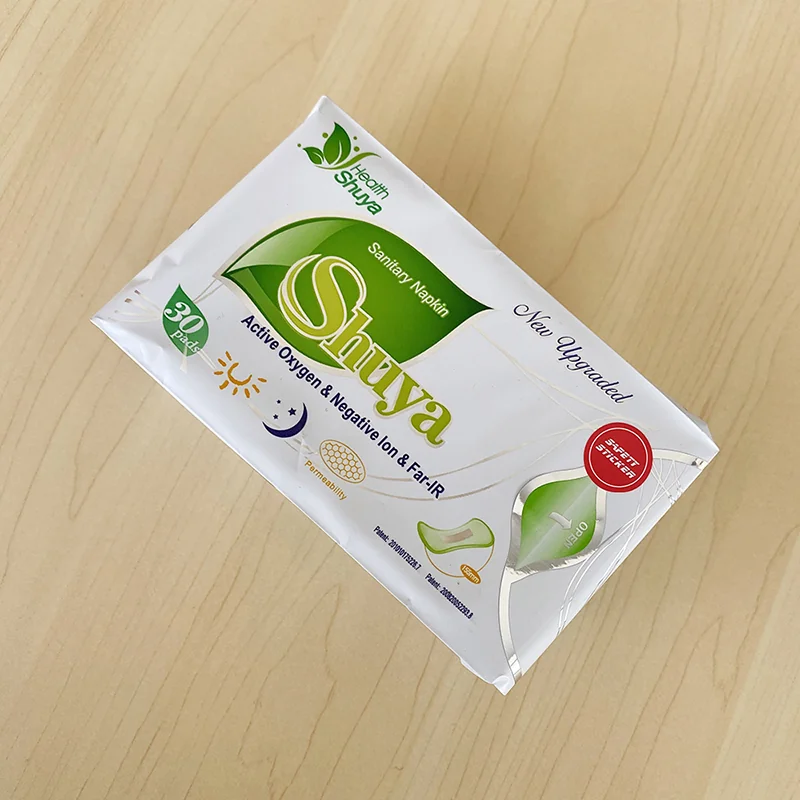
Procuring personal care inventory requires absolute transparency regarding material sciences and machine capabilities. For international brands looking to scale, the mechanics of raw material convergence dictate final consumer satisfaction. We recognize that commercial buyers face immense pressure to deliver consistent, skin-safe options while managing complex supply lines. Identifying a reliable sanitary napkin manufacturer is step one in protecting your brand reputation. This analysis cuts through technical jargon to detail the exact production metrics, structural layers, and machinery configurations that govern contemporary feminine care assembly.

Absorbency Architecture and SAP Optimization
The foundational value of a product relies on its internal core, which is precisely engineered inside a modern sanitary towels factory. Modern personal care items no longer rely purely on thick cellulose pulp. Instead, a balanced mixture of sterilized fluff pulp and Super Absorbent Polymers manages fluid distribution under heavy pressure. These polymers lock moisture away within a localized gel matrix, preventing backward leakage when a user sits down. We focus heavily on core weight uniformity, using computerized density sensors to ensure that every pad provides matching fluid retention capabilities across its entire surface area.
Surface Layer Materials and Skin Biocompatibility
The top sheet serves as the direct point of contact with the body, meaning material selection impacts both safety and performance. When sourcing from a verified sanitary napkin manufacturer, brands choose between perforated plastic films or hydrophobic non-woven cotton materials. Non-woven varieties offer higher breathability, minimizing ambient heat accumulation that can compromise skin health. We leverage thermal bonding techniques rather than chemical adhesives to join these soft fiber structures, preventing trace irritations and matching international consumer preferences for hypoallergenic hygiene solutions.
Barrier Integration and Leak Prevention Systems
A premium product must prevent structural failure at the margins, an operational focus inside any established sanitary towels factory. This security comes from combining hydrophobic barrier cuffs with precise structural channels pressed into the main chassis during assembly. Longitudinal channels redirect fluid along the lengthwise axis, preventing immediate edge overflow. Concurrently, a thin poly-ethylene back sheet prevents garment moisture transfer while maintaining gas permeability, ensuring comfort without sacrificing protective integrity.
Supply Chain Integration for Global Brands
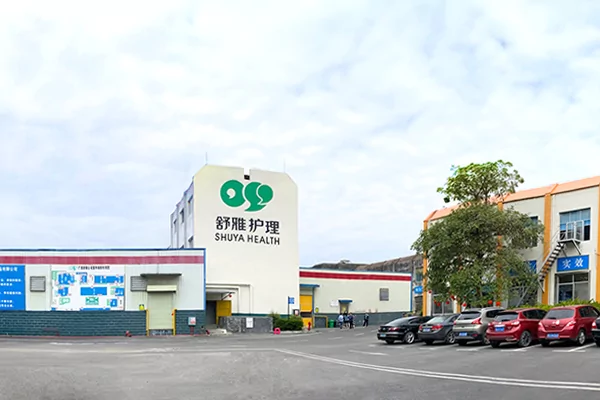
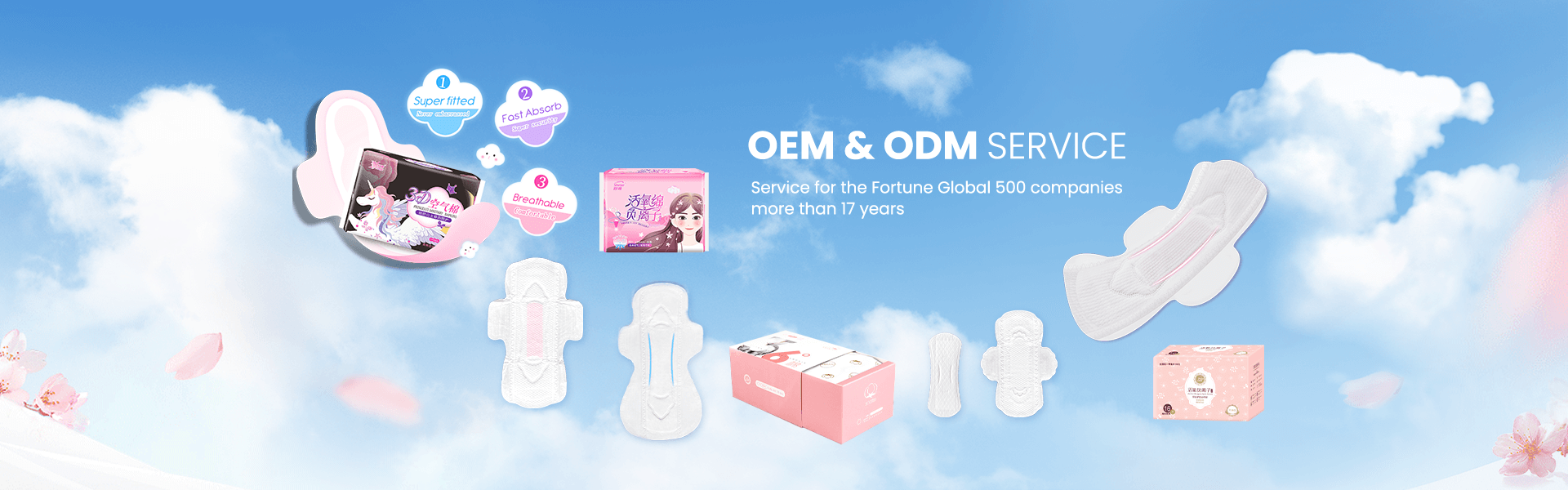
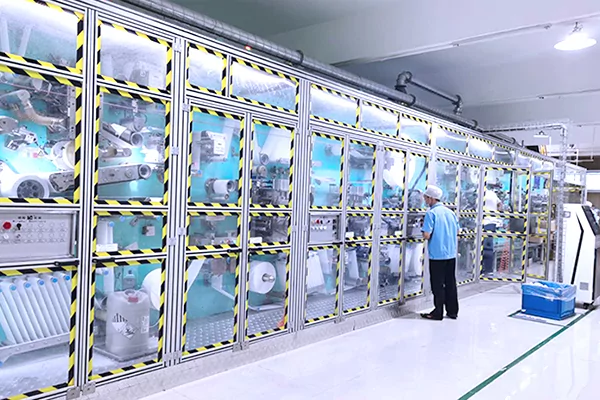
Securing a stable competitive position requires full visibility into a partner’s manufacturing infrastructure. At Shuya, our scalable private label operations resolve supply constraints by using high-speed, automated production systems that ensure repeatable component placement. Relying on an experienced sanitary napkin manufacturer provides your enterprise with tested product lines that meet stringent international regulatory audits. By standardizing these essential manufacturing metrics, brands can eliminate retail product failures, optimize structural margins, and build long-term consumer trust in their respective target markets.