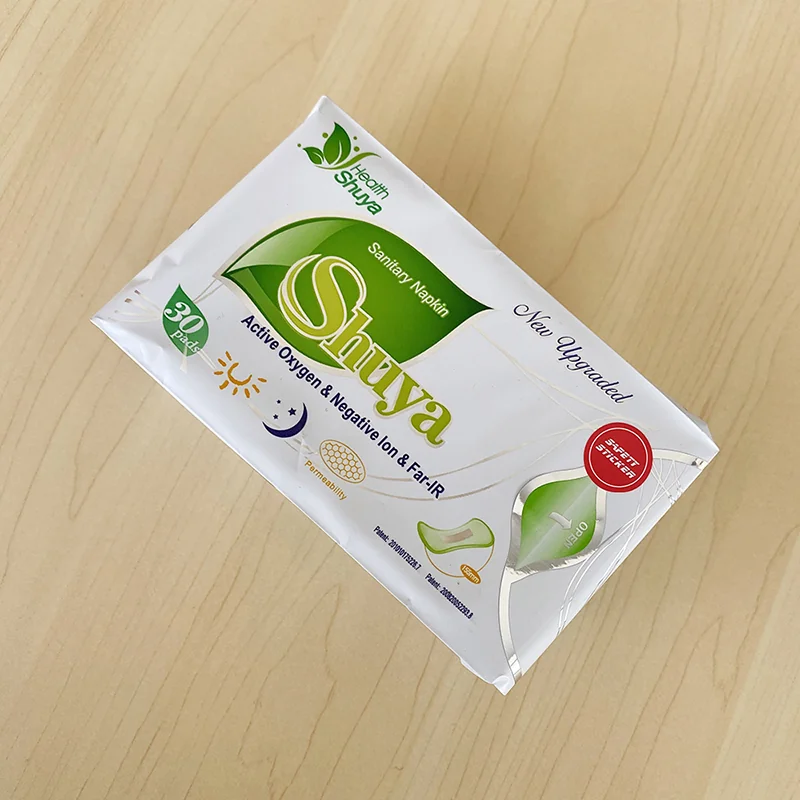
Expanding a consumer brand from a single niche into a multi-category personal care ecosystem demands a calculated transition in manufacturing logistics. Companies frequently discover that managing separate production vendors for distinct product lines introduces friction, inflates administrative overhead, and dilutes quality consistency. For an enterprise aiming to expand its retail shelf presence, consolidations across related hygiene categories present clear operational advantages. Transitioning into a diversified catalog requires a highly capable partner that understands the overlap in raw components, mechanical systems, and regulatory baselines. When a brand partners with an agile sanitary napkin manufacturer, they unlock an industrial infrastructure designed to support complex, cross-category product development seamlessly.
Maximizing Component Commonality Across FMCG Portfolios
The primary operational advantage of multi-category expansion lies in the strategic overlap of raw materials across personal hygiene product lines. Within a specialized sanitary napkin company, the supply chain networks already manage large volumes of premium fluff pulp, air-laid paper, and Super Absorbent Polymers (SAP). These identical absorbent compounds form the foundational performance cores of baby diapers, adult incontinence garments, and pet training pads. By leveraging a single industrial partner, brands can consolidate their material procurement, which drastically lowers the cost per metric ton and insulates private labels from sudden global inventory shortages. This shared material strategy ensures that performance remains uniform whether a consumer purchases a feminine pad or a family care product.
Engineering Flexible Automation for Diverse Line Extensions
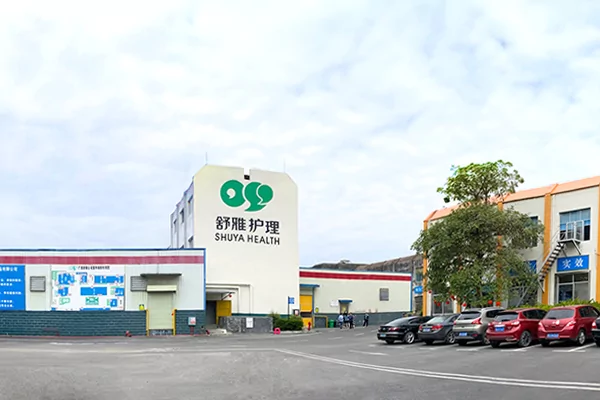
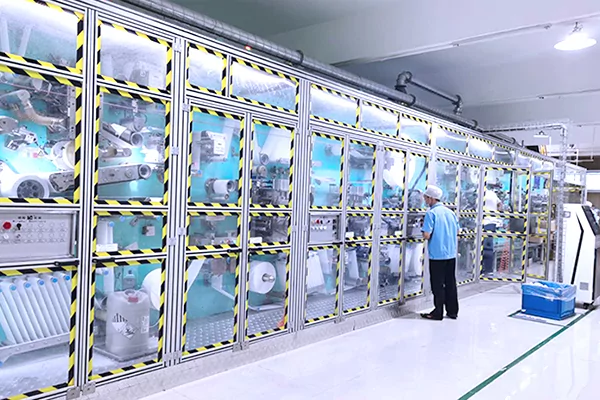
Shifting production from ultra-thin pads to thick diapers or wet wipes requires advanced machinery configurations that can adapt without extensive operational downtime. As an experienced sanitary napkin manufacturer, we install modular, computer-controlled assembly equipment across twenty high-speed automated lines within our 45,000 square meter industrial complex. These advanced systems utilize rapid-change molding dies and programmable tension systems that accommodate distinct substrate weights and custom physical profiles efficiently. Having access to high-capacity machinery capable of outputting hundreds of millions of units annually allows expanding enterprises to launch diverse product segments without committing massive capital expenditures to separate dedicated factories.
Unifying Compliance Standards for Smooth Global Transit
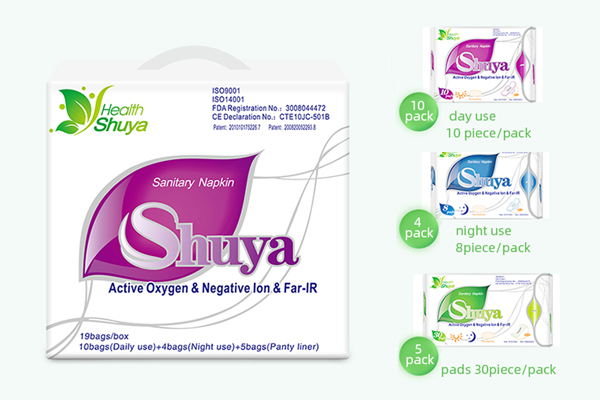
Distributing diverse personal care categories into international retail markets requires meeting strict, multi-tiered regulatory frameworks. A mature sanitary napkin company maintains a robust compliance architecture, holding active international certifications including ISO 9001, CE, and FDA registrations. These strict quality management systems oversee cross-contamination prevention protocols, automated vision-inspection systems, and rigorous microbial testing laboratories. When a brand expands its catalog under a unified compliance umbrella, every new product line inherits these verified manufacturing standards. This comprehensive verification prevents costly import delays at international borders, allowing multi-category container shipments to clear custom checkpoints predictably.
Capitalizing on Integrated Operational Ecosystems
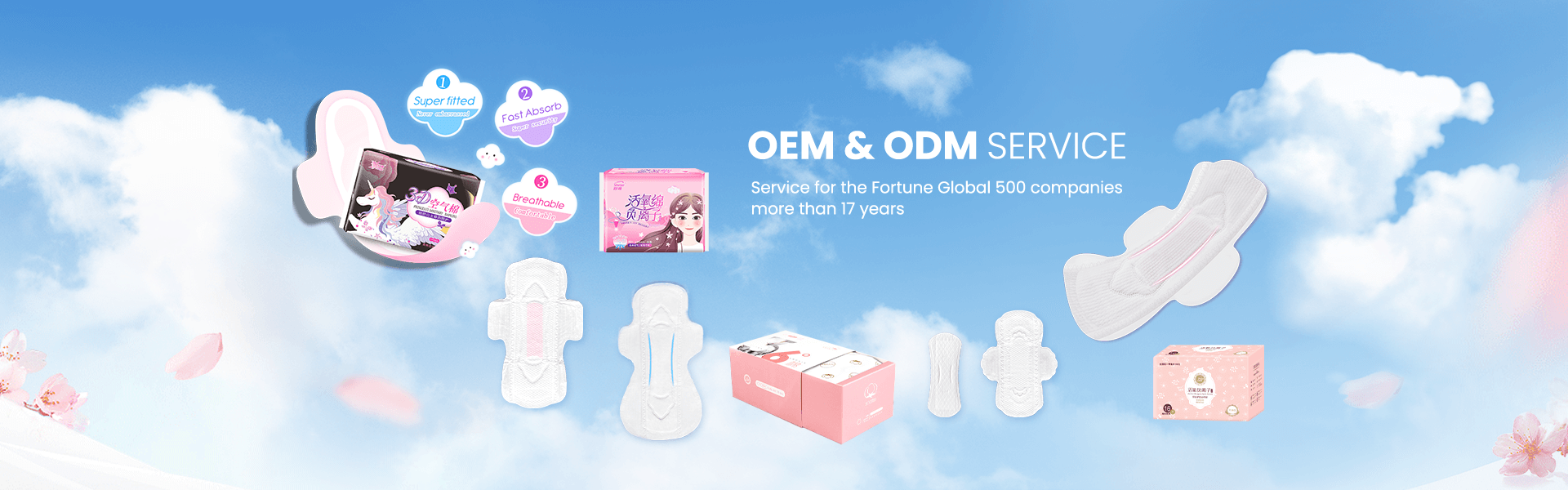
Streamlining corporate logistics through a centralized production network enables corporate teams to deploy their internal resources into marketing and brand building rather than vendor management. At Shuya, we provide complete end-to-end OEM and ODM solutions that encompass everything from raw material verification to customized multi-pack retail packaging. Partnering with a consolidated sanitary napkin manufacturer removes the burden of managing fragmented communication channels across distinct regional factories. This integrated manufacturing approach allows brands to introduce new product extensions to the market within a predictable timeline, ensuring steady retail inventory. Relying on an established sanitary napkin company converts complex multi-category manufacturing into a highly structured, scalable engine for long-term commercial growth.