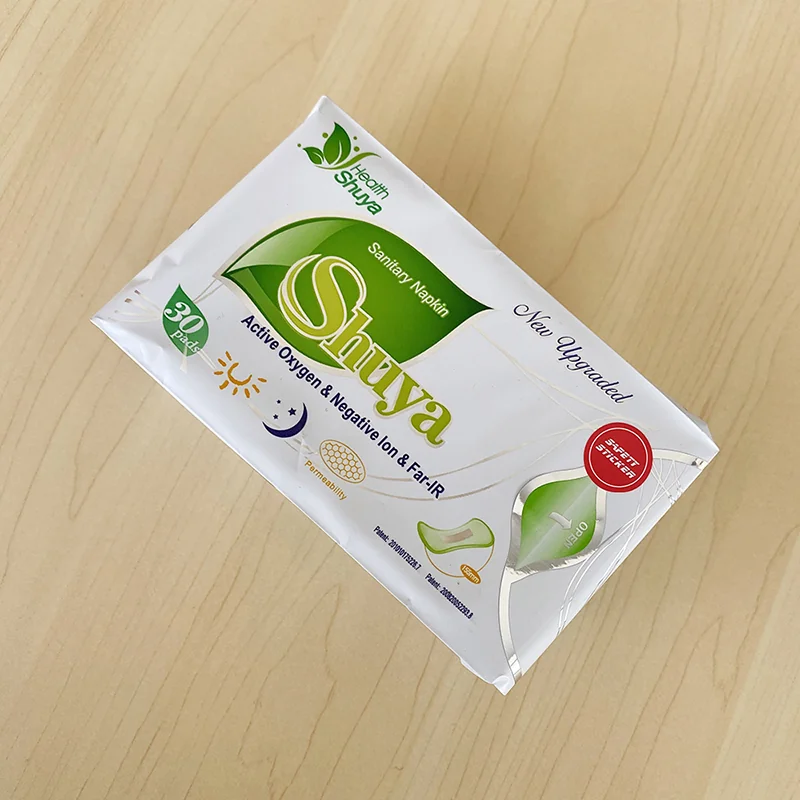
Feminine care brands operating in competitive retail environments face an increasingly strict global regulatory landscape. Commercial buyers and distributors recognize that physical product defects do not merely hurt quarterly sales figures—they can completely dismantle retail relationships and open corporate entities up to massive legal liabilities. To prevent these vulnerabilities, consumer brands must audit how an overseas production line manages compliance parameters. Reviewing a sanitary napkin company regulations and quality standards provides an objective look into how raw fibers, superabsorbent cores, and adhesive polymers are safely assembled. When bulk shipments cross regional borders, international customs and health inspectors demand exhaustive chemical transparency and rigorous manufacturing proof. Ensuring your supply partner executes synchronized quality metrics mitigates delivery bottlenecks and guarantees that every individual retail pack meets consumer safety expectations.

International Medical Standards and Clean Room Protocols
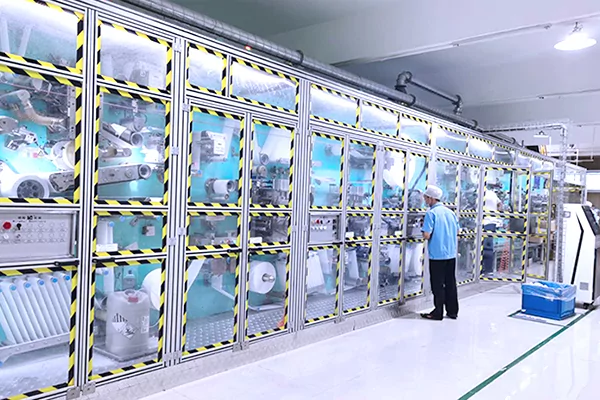
Manufacturing products designed for prolonged, direct skin contact requires total insulation from environmental impurities. Large-scale hygiene production machinery must reside in controlled, clean-room environments featuring continuous positive air pressure and micro-particle filtration. These engineering constraints minimize dust accumulation, airborne fungal spores, and microscopic fibers from settling on the composite layers during high-speed assembly. An experienced sanitary napkin manufacturer implements standard operating procedures that require technicians to clear strict air-shower containment checkpoints before approaching active assembly lines. This physical isolation successfully aligns factory outputs with dominant European and North American hygiene frameworks. Enforcing these protocols at the physical site keeps delicate top sheets completely sterile, providing a secure, non-irritating product for end consumers.
Chemical Ingredient Audits and Fluorescent Agent Exclusions
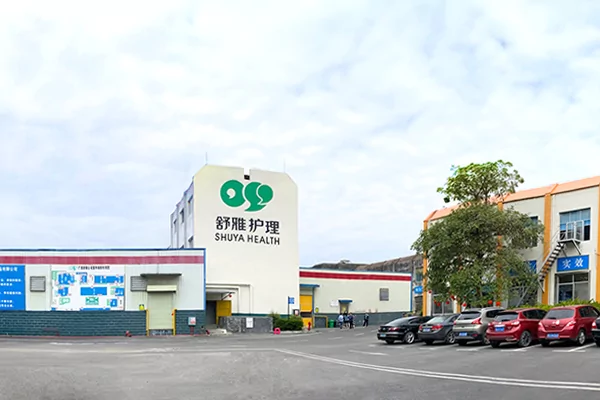
Beyond physical cleanliness, the molecular makeup of modern feminine pads faces intense scrutiny from international consumer safety watchdogs. Raw materials must remain entirely free from elemental chlorine bleaching agents, artificial fragrances, and heavy metals. When we audit structural safety layouts at Shuya, our compliance protocols require raw non-woven webs and superabsorbent gels to undergo comprehensive chromatography and material safety tests. A dependable sanitary napkin company strictly bans the incorporation of optical brighteners or fluorescent compounds that could cause dermatitis or long-term mucosal irritation. Independent, third-party laboratory audits check each raw batch, verifying that material polymers maintain non-toxic baselines before entering the mechanical feeding drums. These chemical safeguards protect the brand equity of private label partners and ensure instant compliance with global health directives.
Automated Mechanical Testing and High Speed Laser Inspections
Relying exclusively on human visual checks to monitor automated lines running hundreds of units per minute is mathematically impossible. Advanced hygiene factories integrate multi-tier electronic inspection systems directly onto their processing frames to identify sub-millimeter defects in real time. Within a modern sanitary napkin company, high-resolution cameras and lasers scan every individual wing, channel seam, and adhesive strip at extreme velocities. If a unit exhibits asymmetric adhesive distribution or a misaligned absorbent layer, pneumatic reject gates instantly discard the item without interrupting the primary manufacturing line. We utilize these automated defect detection frameworks to maintain predictable, uniform quality across millions of units annually. These mechanical checks guarantee that every pad matches exact structural blueprints, eliminating leaking risks and building long-term consumer trust.
Establishing an uncompromised quality assurance baseline is the single most important factor for retail brand expansion. Corporate entities must choose production partners whose internal compliance cultures match the strict demands of global regulatory agencies. Through steady technological modernization, we provide the verifiable quality documentation and automated manufacturing oversight required by the modern consumer goods sector. Evaluating how an enterprise executes its sanitary napkin company regulations and quality standards helps private label owners maintain stable retail distribution and protect corporate margins. Partnering with a technically compliant sanitary napkin manufacturer secures reliable product continuity and guards against catastrophic recall events. Meticulous compliance execution transforms basic hygiene items into trusted everyday necessities, driving sustained market share and cultivating concrete consumer loyalty across international borders.