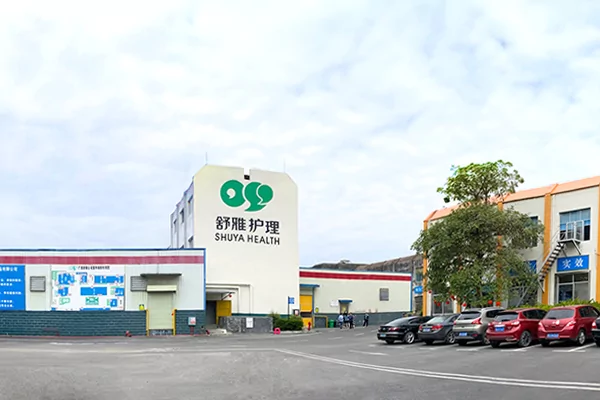
Maintaining strict quality uniformity across multi-layered absorbent items presents major technical hurdles for international consumer brands. When mechanical failures or material misalignments happen on high-speed equipment, businesses face costly shipment rejections and sudden supply chain disruptions. Finding an experienced sanitary napkin manufacturer that systematically targets root-cause issues prevents these production leaks before they impact your brand reputation. We believe that identifying standard plant failures allows retail entities to secure more reliable inventory pipelines. Let us examine the most common manufacturing issues and how to fix them to stabilize your retail supply chain.

Stabilizing Layer Alignment and Adhesive Placement
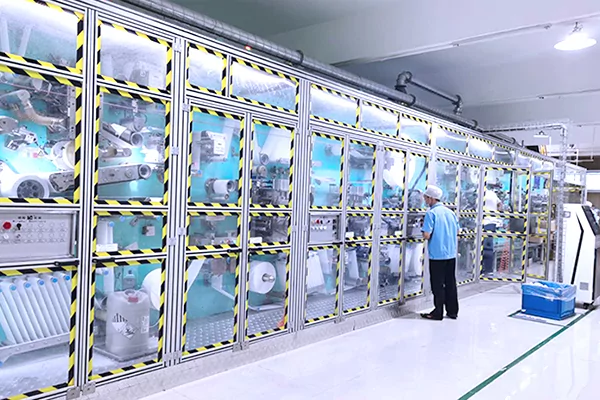
A frequent problem in personal care production centers involves the shifting of internal layers during high-speed compression phases. When specialized sap sheets, cotton cores, or waterproof backsheets deviate by even a millimeter, leakage protection drops significantly. An automated sanitary napkin factory utilizes continuous optical alignment sensors to adjust raw material tension dynamically before materials enter final cutting dies. Our facilities employ these precise tension-monitoring setups to ensure that individual layers fuse uniformly without warping or creating hard edges.
Eliminating Contamination Risks and Defective Batches
Microscopic airborne particles or loose material fragments can easily compromise individual packaging seals if cleanroom standards are inadequate. Working alongside an organized sanitary napkin manufacturer guarantees that raw input fibers pass through heavy-duty particle filtration hoods throughout the distribution process. By using advanced high-speed vision inspection systems, sub-standard products are isolated via automatic rejection gates without stopping the main conveyor line. We prioritize these digital testing methods to guarantee that every item matches strict international compliance requirements.
Reducing Mechanical Downtime and Packaging Inefficiencies
When automated machines experience sealing jaw errors or film tension drops, wrapping mechanisms jam, causing major line delays. Implementing predictive diagnostic systems allows plant operators to track real-time vibrations and thermal changes across heavy rotational cutting tools. Transitioning production assets to a modern sanitary napkin factory environment ensures that component wear is flagged before an actual mechanical breakdown stops distribution. At Shuya, we invest heavily in these preventative maintenance steps to maintain smooth, predictable manufacturing outputs for our private label partners.
Balancing Volume Demands with Consistent Structural Density
Unstable density across absorbent cores often results from uneven wood pulp distribution during high-speed air-laid processing. Correcting this balance requires advanced volumetric feed controllers that carefully meter raw material ratios prior to core formation. By utilizing optimized, multi-station compression systems, we help corporate distributors eliminate unexpected density variances across high-volume production runs. Our teams at Shuya combine advanced engineering practices with rigid batch testing to ensure that your inventory arrives exactly as specified.