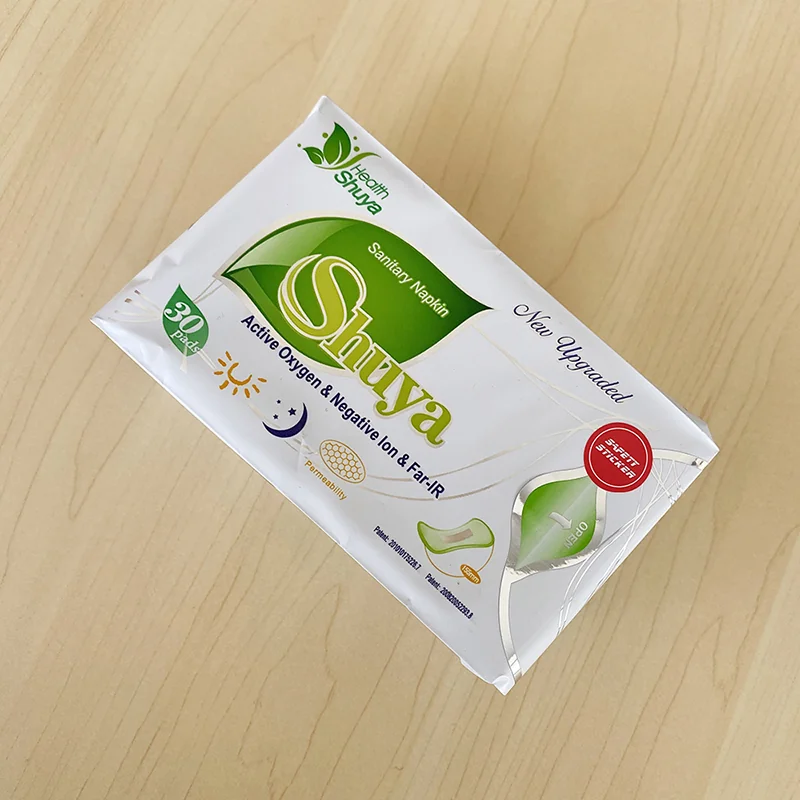
The performance of an absorbent pad relies entirely on the precise material physics embedded within its microscopic layers. Corporate brands evaluating supply chains must look past superficial aesthetics and carefully analyze the molecular integrity of the fibers that come into contact with sensitive skin. For a brand aiming to launch a successful retail line, evaluating the science behind sanitary towel manufacturing materials serves as the baseline for choosing correct polymer blends and non-woven substrates. Advanced raw materials must offer instant fluid acquisition alongside complete moisture isolation. Partnering with a technically advanced sanitary napkin manufacturer ensures that these raw components are selected and combined with mathematical consistency. We recognize that industrial material selection determines consumer satisfaction, directly preventing leakage while maximizing comfort and breathability on a global scale.
Advanced Top Sheet Technology and Fluid Transmission Rates
The topmost layer of a modern feminine pad serves as the critical barrier responsible for skin comfort and rapid liquid movement. Raw material selection focuses heavily on perforated non-woven fabrics or specialized structured films that allow fluids to pass inward without traveling back upward. At Shuya, our laboratory teams closely analyze pore geometry to minimize skin contact wetness and prevent physical friction. An experienced sanitary towels factory utilizes multi-layered composite webs that draw moisture instantly away from the body via strong capillary action. Hydrophilic treatments applied to polypropylene or polyethylene fibers reduce surface tension, allowing liquid to drop effortlessly into the storage core. This material engineering ensures that the top layer dries within milliseconds, maintaining a sterile environment next to the skin and eliminating common bacterial incubation risks.
High Performance Superabsorbent Polymers and Core Stability
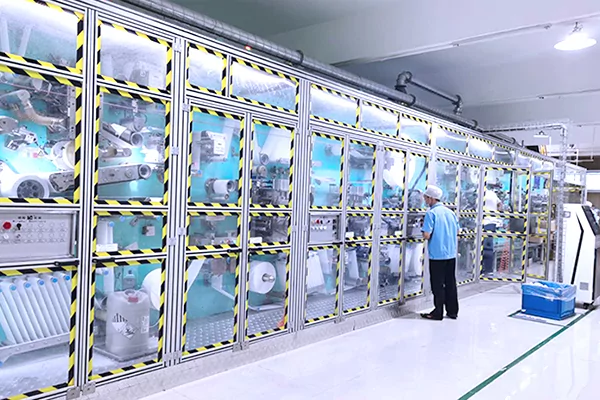
Deep inside the pad sits the absorbent core, where material science directly controls fluid retention under real-world physical pressure. Traditional cellulose fluff pulp is now strategically blended with cross-linked sodium polyacrylate, commonly known as superabsorbent polymer (SAP) spheres. A high-speed sanitary napkin manufacturer utilizes specialized dosing drums to evenly scatter these granules, ensuring they expand uniformly when exposed to moisture. When fluids enter the core matrix, these specialized polymer chains uncoil and bind with water molecules, converting the liquid into a locked semi-solid gel. This chemical transformation prevents fluid from squeezing out when a consumer sits down or moves dynamically. Maintaining exact pulp-to-polymer distribution ratios ensures that the core stays intact and flexible, entirely avoiding clumping or tearing throughout prolonged periods of active daily wear.
Breathable Barrier Membranes and Adhesive Polymer Application
The final structural defense of a modern hygiene product involves its bottom backsheet and positioning adhesive layers. Backsheets rely on specialized polyethylene films filled with microscopic calcium carbonate pores that block large water molecules but allow airflow to escape. Running these breathable membranes through a high-velocity sanitary towels factory requires exact thermal controls to prevent distortion during assembly. We rely on micro-application systems to distribute pressure-sensitive hot melt adhesives in precise spiral patterns across the backing film. This mechanical placement ensures that the pad attaches firmly to textiles without leaving tacky residues behind upon removal. Every material layer must work together smoothly, creating a robust, multi-tier system that protects garments while maintaining structural flexibility during regular use.
Building an exceptional hygiene product line requires a deep commitment to material science and consistent manufacturing execution. International distributors must collaborate with production partners who understand the intricate relationship between raw fiber characteristics and automated machine handling. Through continuous technical investments, we ensure that Shuya provides the specialized material testing and high-capacity manufacturing infrastructure needed by modern global markets. Thoroughly evaluating the science behind sanitary towel manufacturing materials allows retail businesses to build long-term consumer trust through reliable product performance. From non-woven surface sheets to advanced superabsorbent cores, precise material choices protect brand reputation and satisfy strict global compliance standards.