The global personal care landscape requires a clear grasp of manufacturing distinctions when sourcing feminine hygiene items. For brands evaluating supply partners, the choice often comes down to how a facility aligns its operations with specific geographic markets. We see firsthand how factories specializing in domestic distribution operate on entirely different frameworks compared to those structured for international trade. These differences affect everything from raw material sourcing to packaging configurations. Understanding the core variances between domestic and export focused anion sanitary napkin factories is essential for establishing a reliable supply chain that matches your brand requirements.

Compliance Frameworks and Quality Certifications
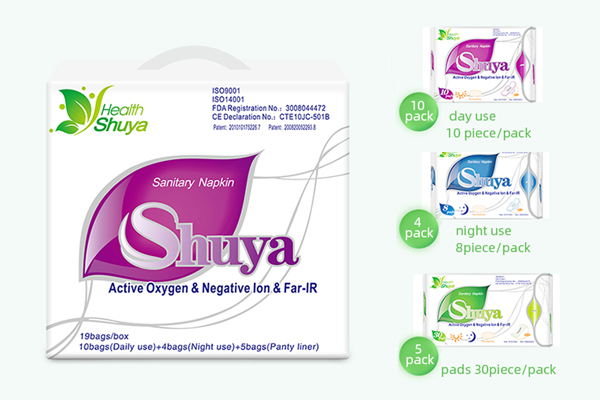
The regulatory environment marks the first major divergence between facilities serving regional markets and those built for global compliance. A domestic manufacturer typically builds its processes around local industrial safety frameworks, which may not satisfy the stringent entry protocols of foreign regions. When we look at an export focused China anion sanitary napkin factory, the infrastructure is inherently designed to meet multi-jurisdictional criteria. This includes maintaining active registrations with bodies like the FDA, securing CE declarations, and fulfilling extensive compliance audits. These factories implement rigid tracing protocols for every batch of raw materials, ensuring that secondary components like adhesives and functional integration elements comply with international biochemical safety thresholds.
Material Composition and Component Engineering
Product performance demands vary Significantly across international consumer populations, forcing a sanitary napkin manufacturer to adapt its mechanical configurations. Domestic facilities frequently utilize localized component standards that optimize cost efficiency for regional buyer habits. Conversely, cross-border production require advanced fluid-management tech, such as high-density Super Absorbent Polymers mixed with specialized structural layers to prevent fluid return under pressure. An export focused anion sanitary napkin factory relies on premium, globally compliant inputs like certified organic cotton sheets or advanced non-woven materials sourced from international supply networks. These choices ensure the finished product resists degradation during prolonged ocean transit and maintains consistent structural performance across diverse climatic environments.
Packaging Engineering and Production Scalability
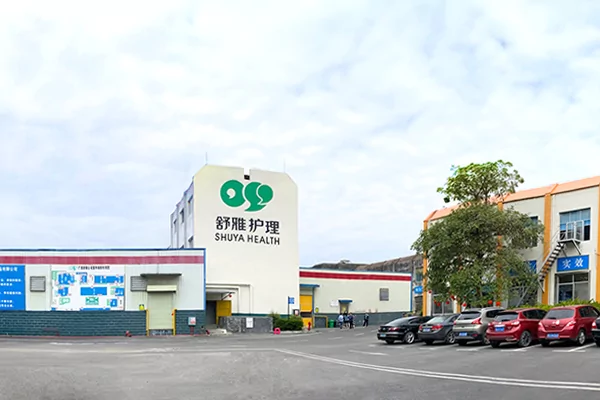
International logistics introduce physical stressors that standard regional packaging cannot withstand. Companies built for global distribution invest heavily in robust material engineering, using moisture-resistant barrier films and reinforced corrugated outer cartons to maintain sterility over long distances. Furthermore, operational capacity varies greatly between these business models. While a localized sanitary napkin manufacturer China might run smaller, flexible lines optimized for rapid, low-volume domestic orders, global vendors utilize automated, high-speed assembly systems. At Shuya, our 45,000 square meter facility runs more than 20 specialized production lines, providing the raw capacity and technical oversight necessary to process large-scale private label orders within tight delivery windows.
Aligning Supply Chains with Strategic Objectives
Selecting a manufacturing partner requires looking beyond simple per-unit costs to analyze systemic compatibility. Working with an organization that lacks international logistical experience often introduces hidden expenses, including customs delays, compliance failures, or unexpected product degradation. Partnering with a dedicated export focused anion sanitary napkin factory ensures your inventory enters destination markets smoothly, backed by rigorous quality assurance and standardized compliance documentation. By focusing on certified material integrity and advanced mechanical design, global brands can secure their market footprint and deliver predictable, high-performance personal care options to their customers.