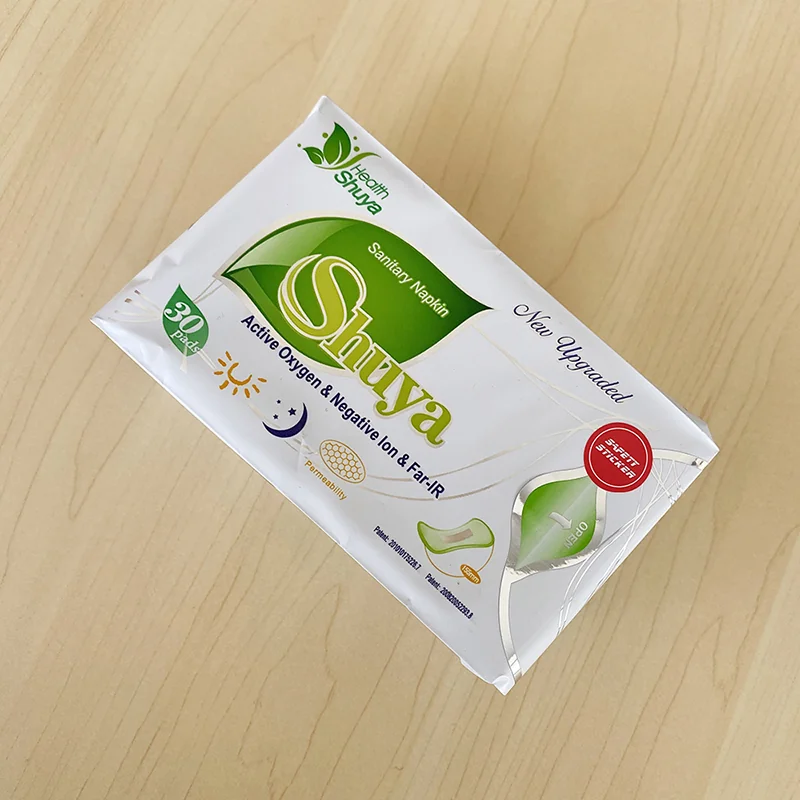
Expanding a personal care inventory into international jurisdictions introduces complex operational pressures beyond standard logistical coordination. Retail distributors face immense friction when managing differing regional consumer habits, varying chemical restrictions, and localized packaging mandates across borders. Aligning with an agile sanitary napkin company that structures its production assets for international compliance helps corporate brands eliminate costly import delays and border seizures. We realize long-term viability requires looking beyond domestic manufacturing to embrace adaptable production systems. Let us systematically dissect the core challenges faced by a sanitary napkin company in international markets to help secure your distribution investments.
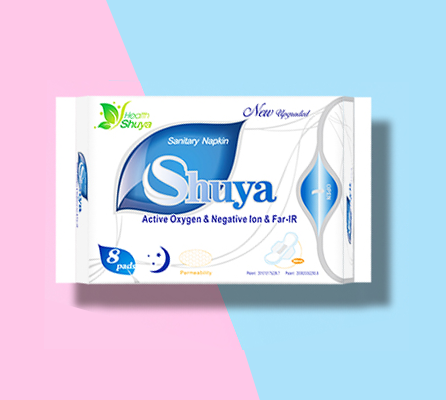
Managing Complex Regulatory Frameworks and Chemical Restrictions
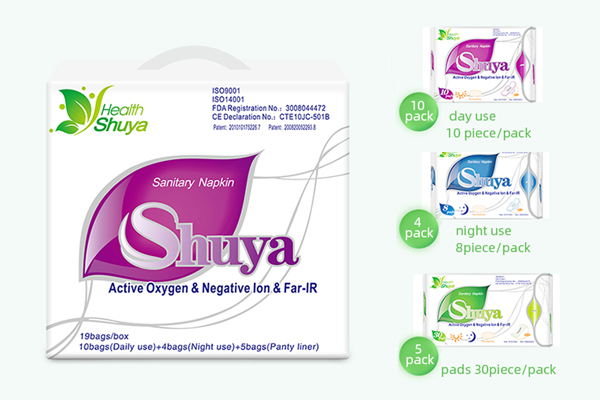
Every geographical region maintains unique certification systems governing materials that come into direct contact with human skin. For example, exporting absorbent pads to European or North American zones requires submitting strict documentation that certifies the complete absence of heavy metals, added fragrances, or fluorescent whitening agents. Partnering with a fully certified sanitary napkin manufacturer ensures that raw input substrates pass stringent international laboratory screening processes before product assembly begins. Our technical setups generate compliant testing documentation to help private label brands meet complex regional sanitary product safety assessments without friction.
Adapting Absorbent Designs to Localized Cultural Preferences
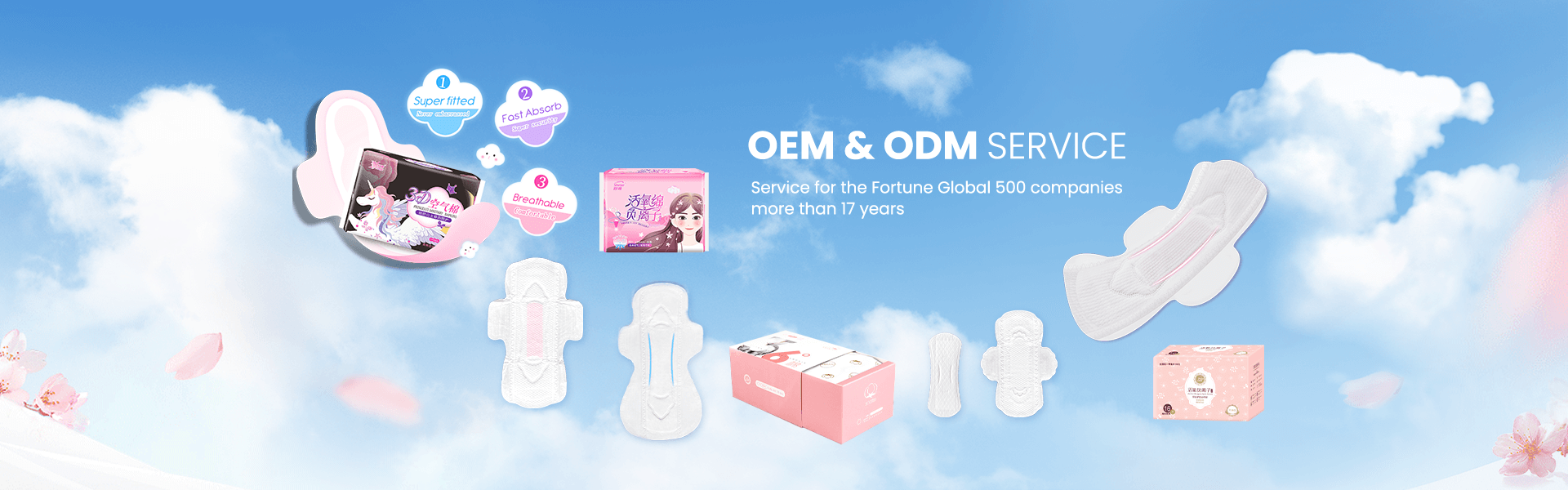
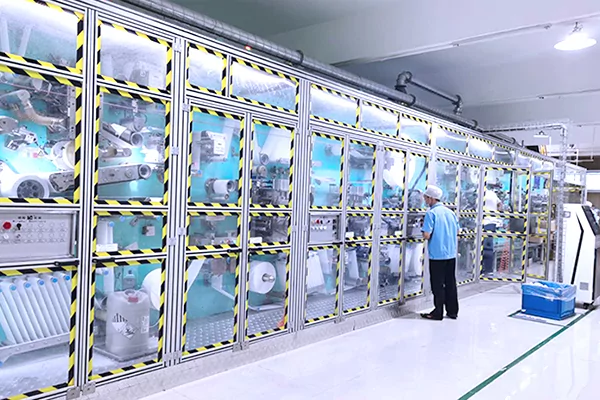
Consumer expectations regarding personal hygiene items vary dramatically from one global territory to another, affecting preferred sizes, thickness profiles, and functional core features. Certain international consumer clusters favor ultra-thin, highly discreet day-use designs, while other regional economies demand maximum-coverage, multi-layered core protection for heavy overnight cycles. A versatile sanitary napkin company must operate flexible high-speed machinery capable of switching between various physical pad dimensions and custom material formulations instantly. We manage this production variety by utilizing adjustable compression molds that maintain uniform product density whether fabricating light panty liners or ultra-long maxi pads.
Minimizing Supply Chain Vulnerabilities and Operational Freight Costs
Shipping high-volume, low-density absorbent cargo across long oceanic routes exposes corporate brands to severe fiscal vulnerabilities from shifting freight fees and delayed container turnarounds. To maintain healthy commercial margins, product packaging structures must undergo maximum compression optimization to reduce spatial requirements inside international shipping cartons. Transitioning your brand inventory to an advanced sanitary napkin company ensures that secondary wrapping workflows utilize tight, moisture-resistant protective films that shield delicate items from ocean humidity. At Shuya, we implement these dense stacking metrics to help global retail partners lower bulk transit costs and optimize warehouse shelf space.
Securing Product Longevity via Multi-Layered Quality Safeguards
Varying climate zones present additional product stability challenges, as extreme storage humidity can weaken standard packaging adhesives or degrade structural fiber performance. Incorporating premium hot-melt bonding adhesives alongside breathable polyethylene backings prevents internal layers from separating during extended warehouse storage in tropical environments. Corporate distribution networks rely on robust manufacturing frameworks to preserve product functional integrity from the initial factory conveyor line down to the retail end-user. Our technical groups at Shuya blend advanced machinery with strict raw material vetting to ensure that global shipments remain structurally sound across diverse target regions.